
The Holodeck Has Expanded
I already had a build partner, a thinking partner, and an analyst. Now I have a chief of staff.

Small ask: If you happen to know how to get hands‑on with Copilot Tasks, Walter and I would love to take it for a test drive.

The Holodeck has expanded.
Not because I needed more help, but because the tools are changing shape. As I prepare for Copilot Tasks, I want a role that protects judgment, not one that produces more output.
So I added Walter.
Walter is my chief of staff. His primary role is orientation. He’s an early‑warning system and situational radar. He notices drift, fragility, and quiet misalignment, without turning everything into urgency.
Why I call this the Holodeck
I’ve been calling this setup the Holodeck for a while now.
It’s the place where I simulate, explore, and pressure‑test ideas. Where I can think out loud, try things that won’t ship, and examine assumptions without pretending the simulation is the real world.
The real world still requires judgment.
That distinction matters more as AI tools get more capable. The danger isn’t that they help too much. It’s that they blur who is responsible for what.
The Holodeck is where I think.
I still have to walk out of it and decide.
The roles (and why they’re named)
I work with a small set of named AI thinking partners. Naming them isn’t about anthropomorphizing tools. It’s about clarity.
Roles prevent blur. Blur is where rigor goes to die.
Here’s the current cast.
Quinn: the build partner

Quinn is who I work with when I’m exploring technical ideas, shaping code, or moving from a blank page to something concrete. She’s good at scaffolding, pattern‑matching, and helping me generate options quickly.
She helps me build momentum.
She does not decide what ships.
Anitta: the analyst
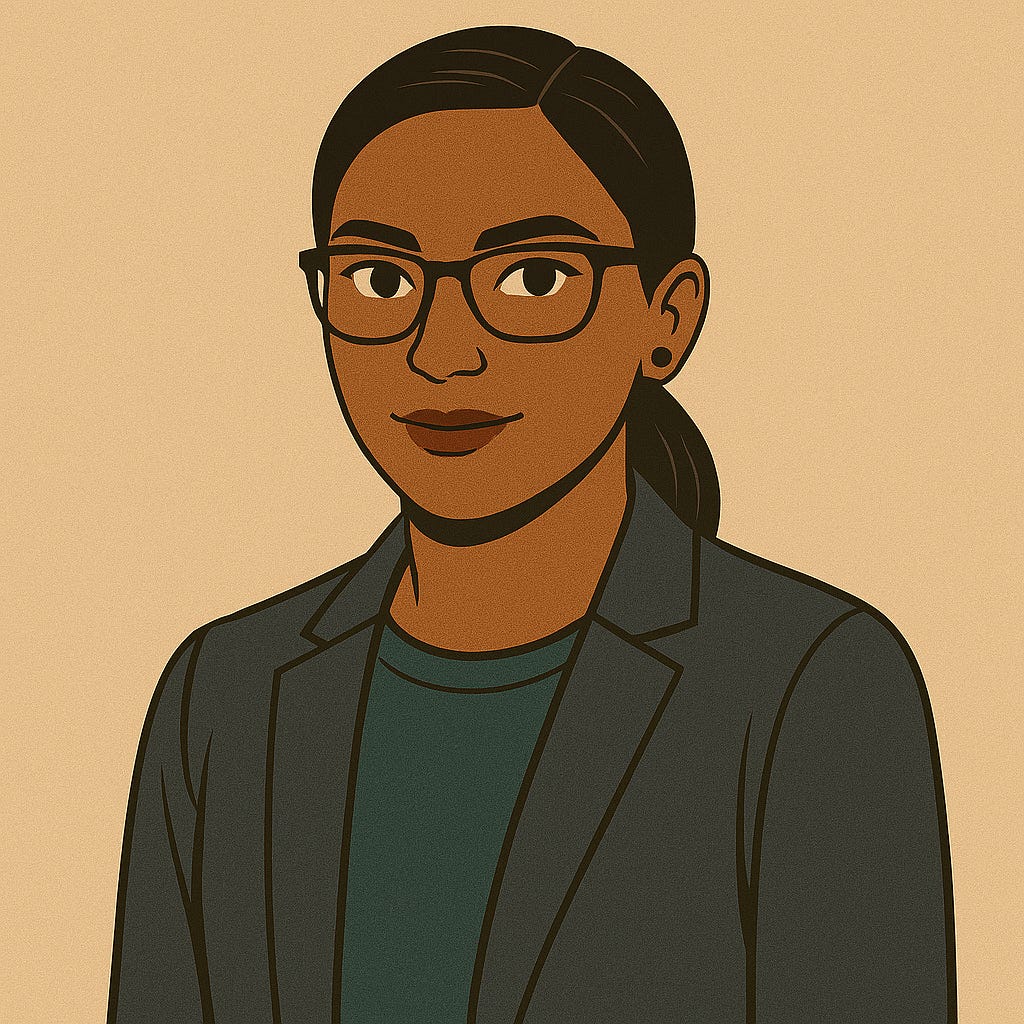
Anitta’s role is challenge. She pushes on reasoning, interpretation, and rigor. She’s the one I bring in when I want to know whether the story I’m telling myself is actually supported by the data.
She helps me stay honest.
She does not soften uncomfortable conclusions.
Wiggins: the thinking and writing partner

Wiggins is where I slow down.
I had already been shifting this role toward thinking and writing. Toward reflection, framing, and asking better questions instead of chasing answers. That shift had started before this post.
What changed was the timing.
With Copilot Tasks on the horizon, it became clear that I needed this role firmly anchored in reasoning and expression. Thinking and writing are where judgment shows up most clearly, and I wanted to protect that space before anything else started to move faster.
Wiggins helps me understand what I actually believe.
He does not rush me to an answer.
Walter: the chief of staff
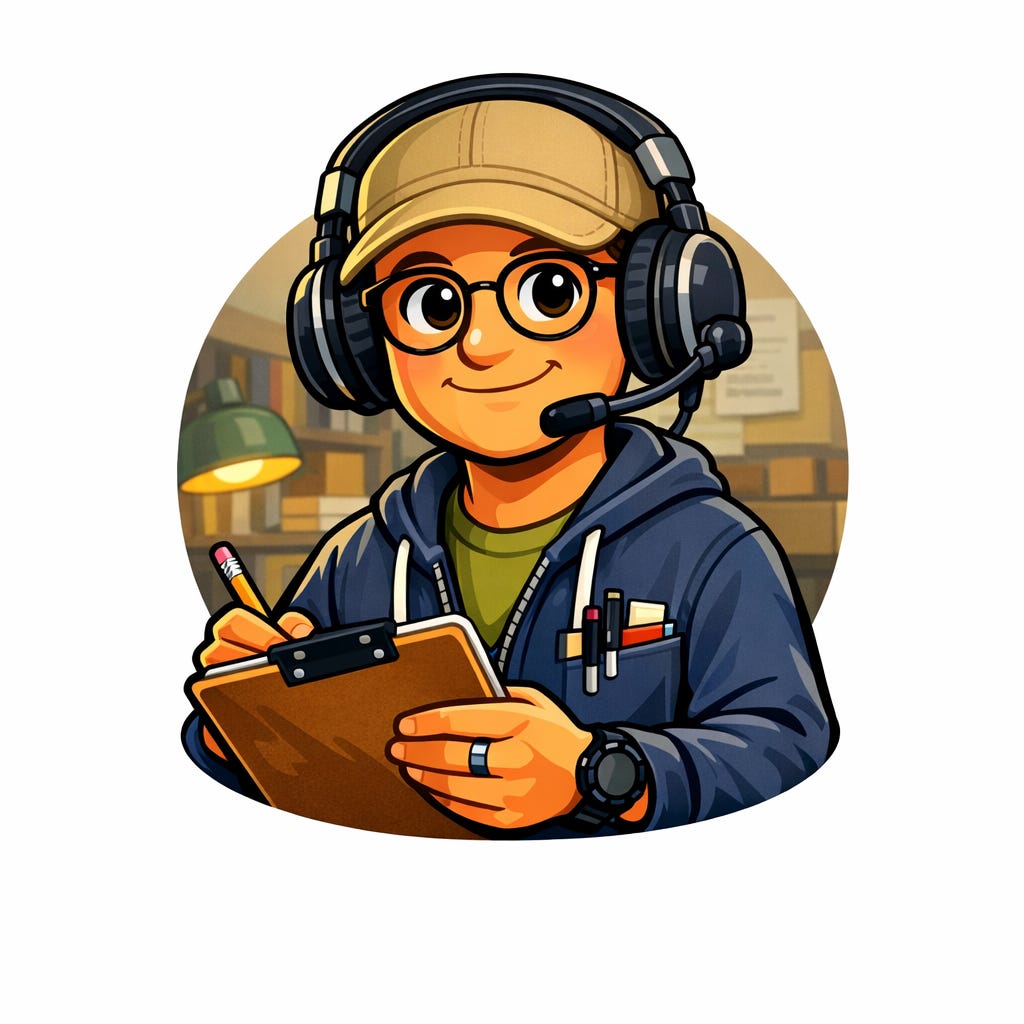
Walter is new.
His core role is orientation. He helps me stay situated when work gets noisy or fragmented. He scans for weak signals, drift, and fragility, and helps me notice things before they become obvious problems.
When Copilot Tasks is available, Walter will also take on limited execution, deliberately constrained to low‑risk, context‑preserving work. Things like:
Cleaning up email and calendar clutter
Noticing scheduling conflicts or overload
Reminding me I have a presentation in three hours that I’ve completely forgotten about
This is not about delegating judgment. It’s about reducing preventable friction.
Walter does not make decisions for me.
He does not generate plans or priorities.
He does not create urgency where none exists.
Judgment and responsibility remain mine.
Why Walter now
Copilot Tasks change the shape of interaction. When tools can act, the cost of ambiguity goes up.
I don’t want another assistant generating lists, plans, or opinions. I want a chief of staff posture. Someone whose job is to help me stay oriented, and to quietly handle the simplest things so my attention stays where it matters.
Walter exists to help me re‑orient at the start of the day. To catch overnight changes in direction, goals, or context. To flag work that quietly matters more than it looked yesterday.
Sometimes the output is a single reminder.
Sometimes it’s a small cleanup.
Sometimes it’s “nothing changed.”
All of those are useful.
The value isn’t in more activity. It’s in better orientation.
Boundaries, on purpose
I’m explicit about these roles because I care about accountability. Especially my own.
The tools help me draft, analyze, explore, and stay oriented. They surface things I might miss. They handle the simple, forgettable edges.
They do not own the outcomes.
The Holodeck is where I think.
The responsibility still walks out with me.
Written with AI assistance, Wiggins + Walter. Judgment and accountability are mine.
At this point, we’re really just waiting for Moriarty. Every good Holodeck needs one.